











Buddha and Buddhism
Custom Search

HOME    CONTACT
Buddhist Art
Buddhism

Buddha Images

Buddhist Meditation

Buddhist Monastery
Buddhist Monks
Buddhist Pagoda
Buddha Picture

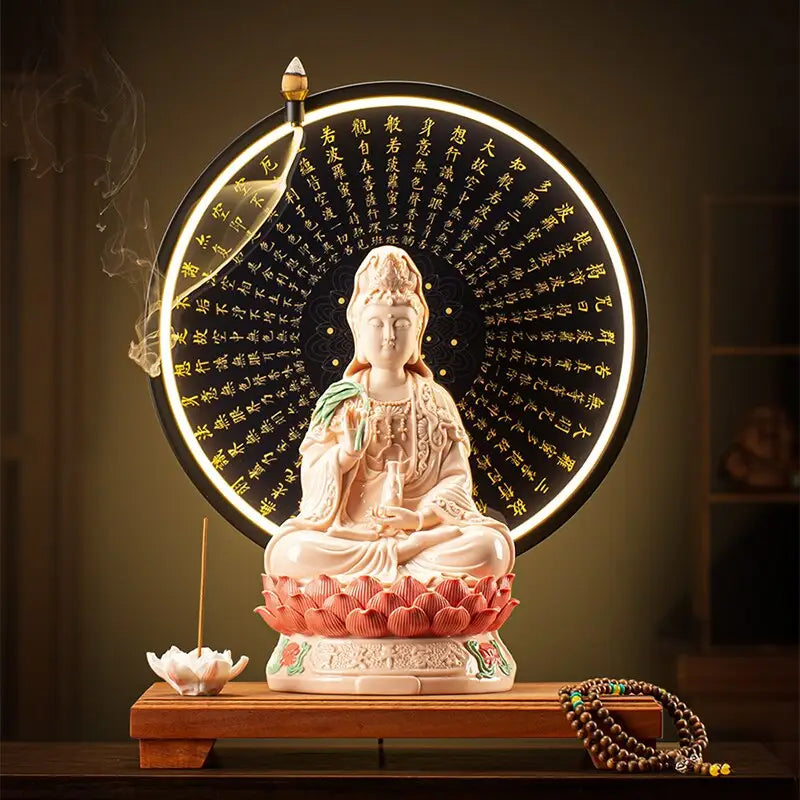
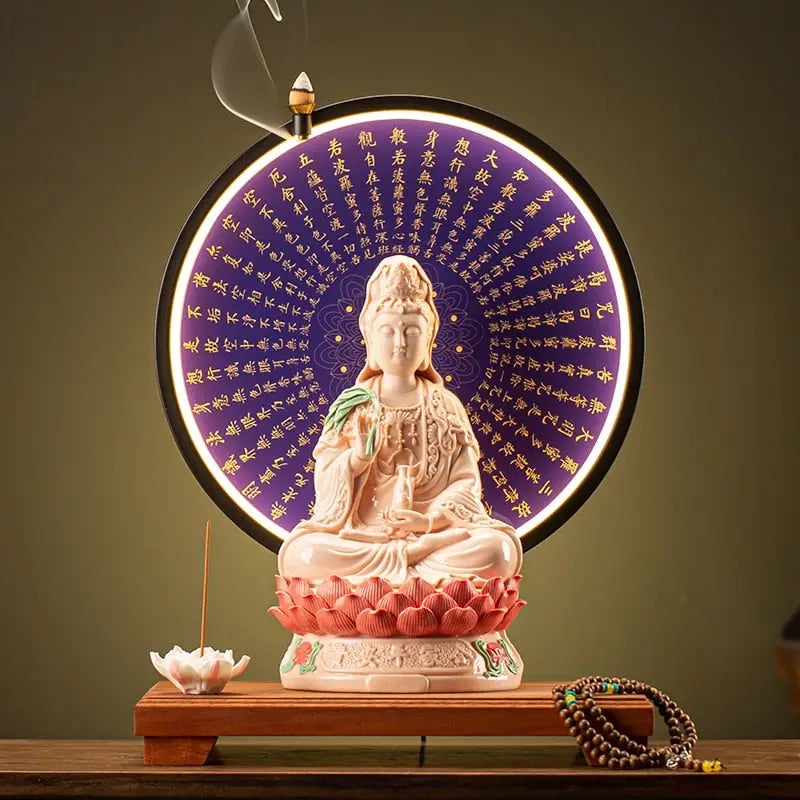
Buddha Statues
Buddhist Temple

Tripitaka
Search


Buddha Buddhism Theravada Mahayana.

.

What is Buddhism? Buddhism is one of the most popular religions or rather philosophy since there is no explicit god and that’s very good since there is no god anyway.  

Everyone who walks on earth without any of the blinkers will automatically know this. Buddhism was founded in India around 500 BC and made its way through Asia, first to Tibet, China, Sri Lanka and Myanmar or Burma, after Thailand and slowly expanding its footprint.

Over time plenty of sects developed with its own doctrines and legends. Although Buddhism has produced not much mythology of its own, it has incorporated legends of various regions.
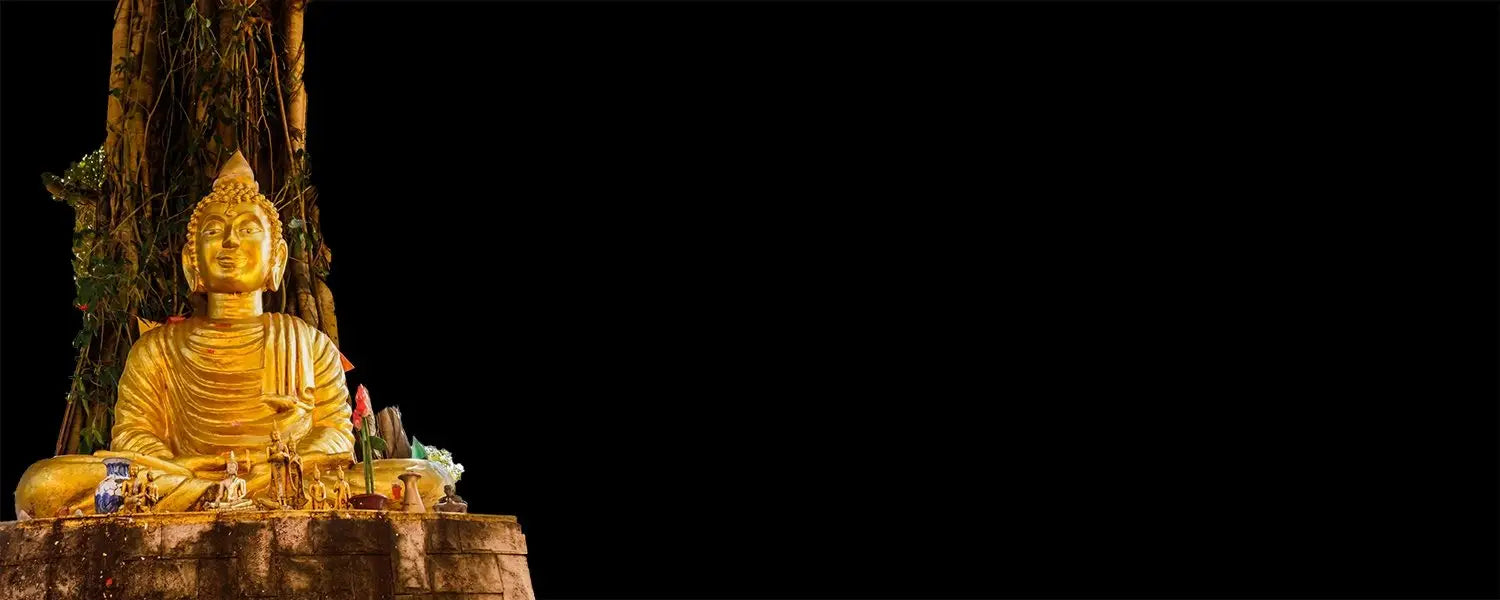
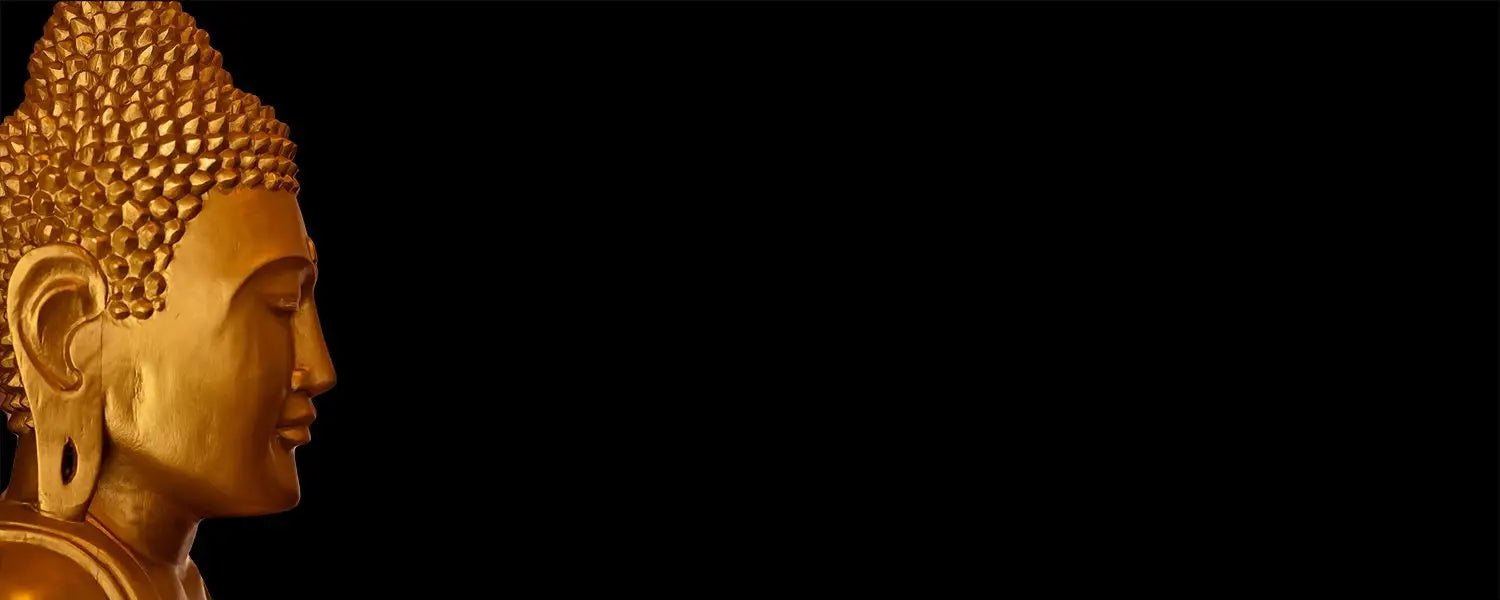
The roots of Buddhism came from Siddhartha Gautama later known as The Buddha, a prince from a state in northern India where his father Suddhodana was king, the Buddha was born around 563BC.

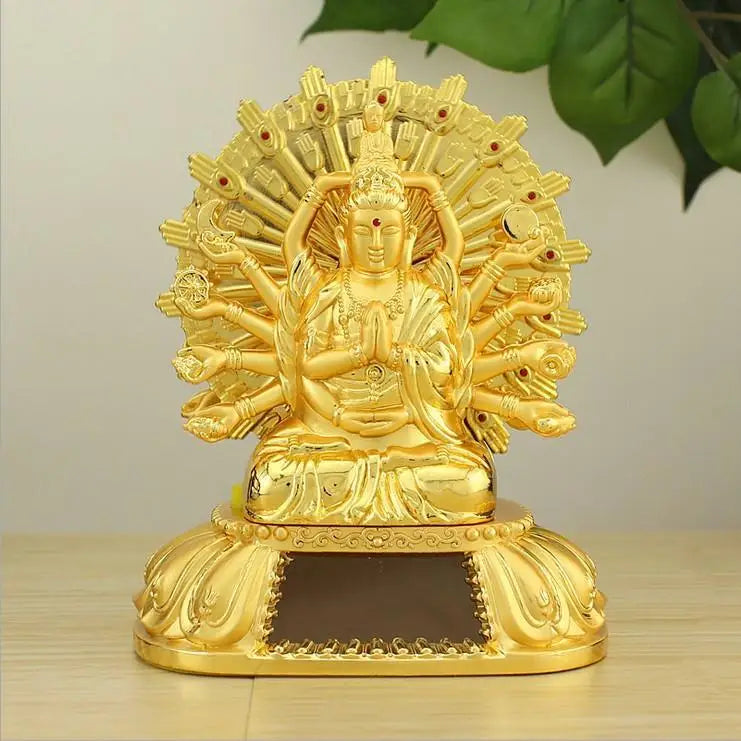
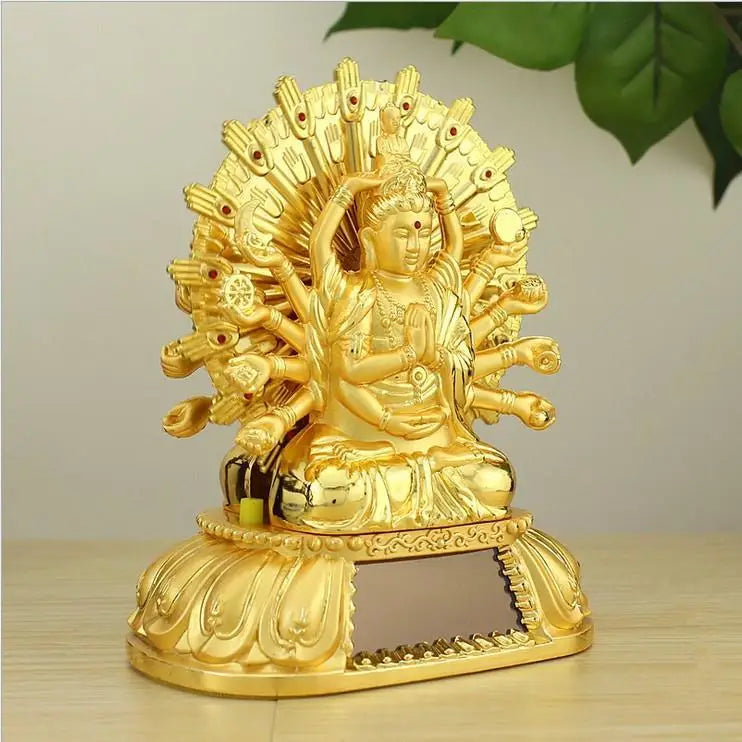
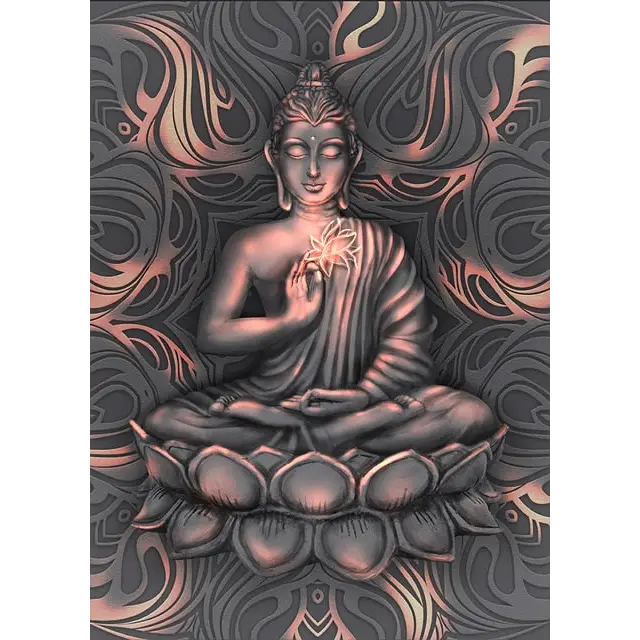
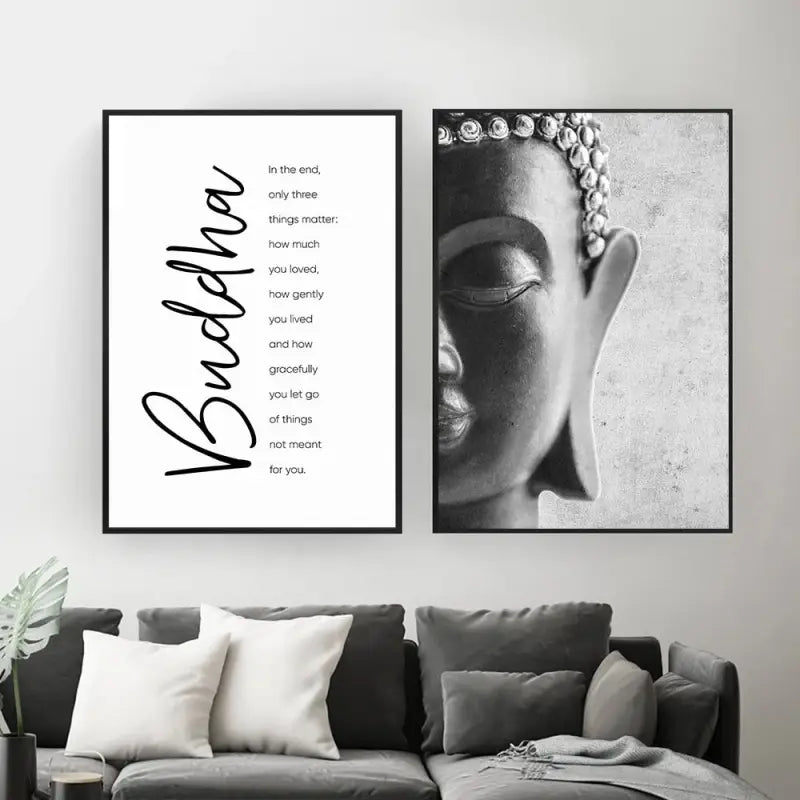
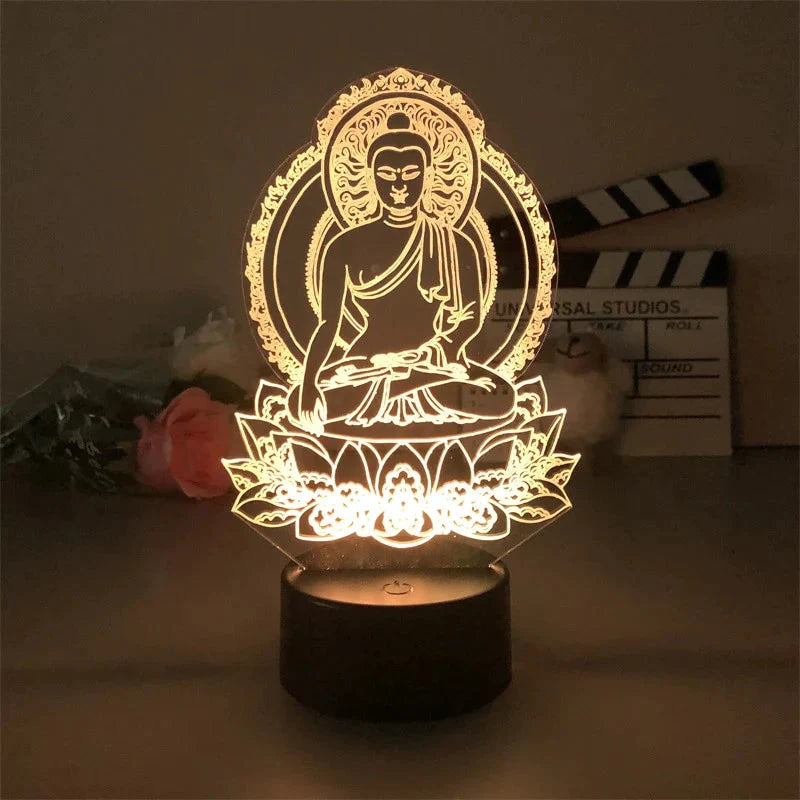
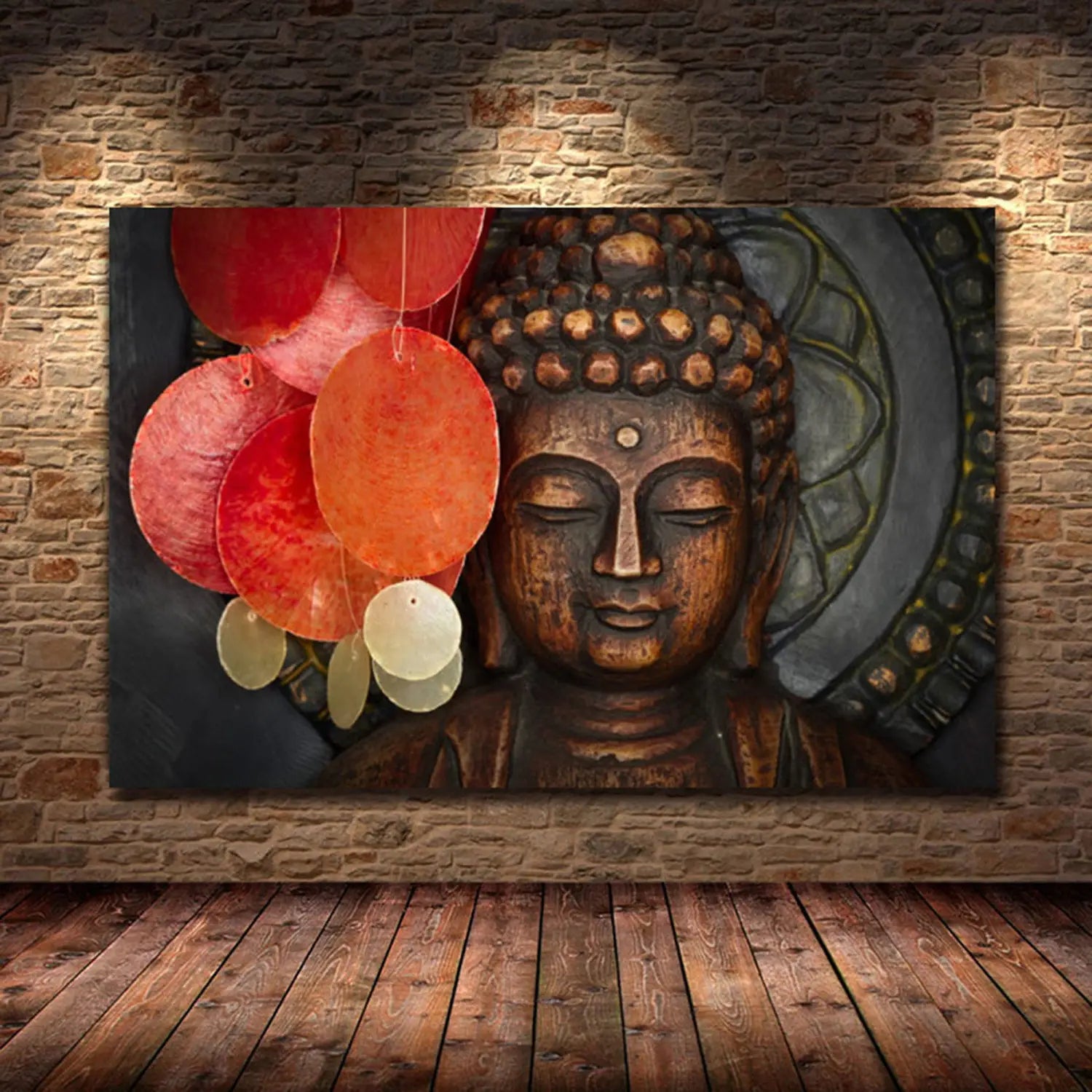
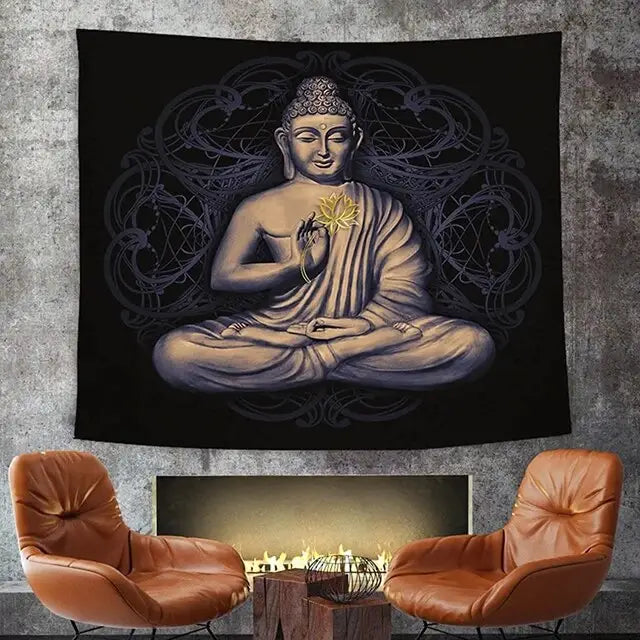
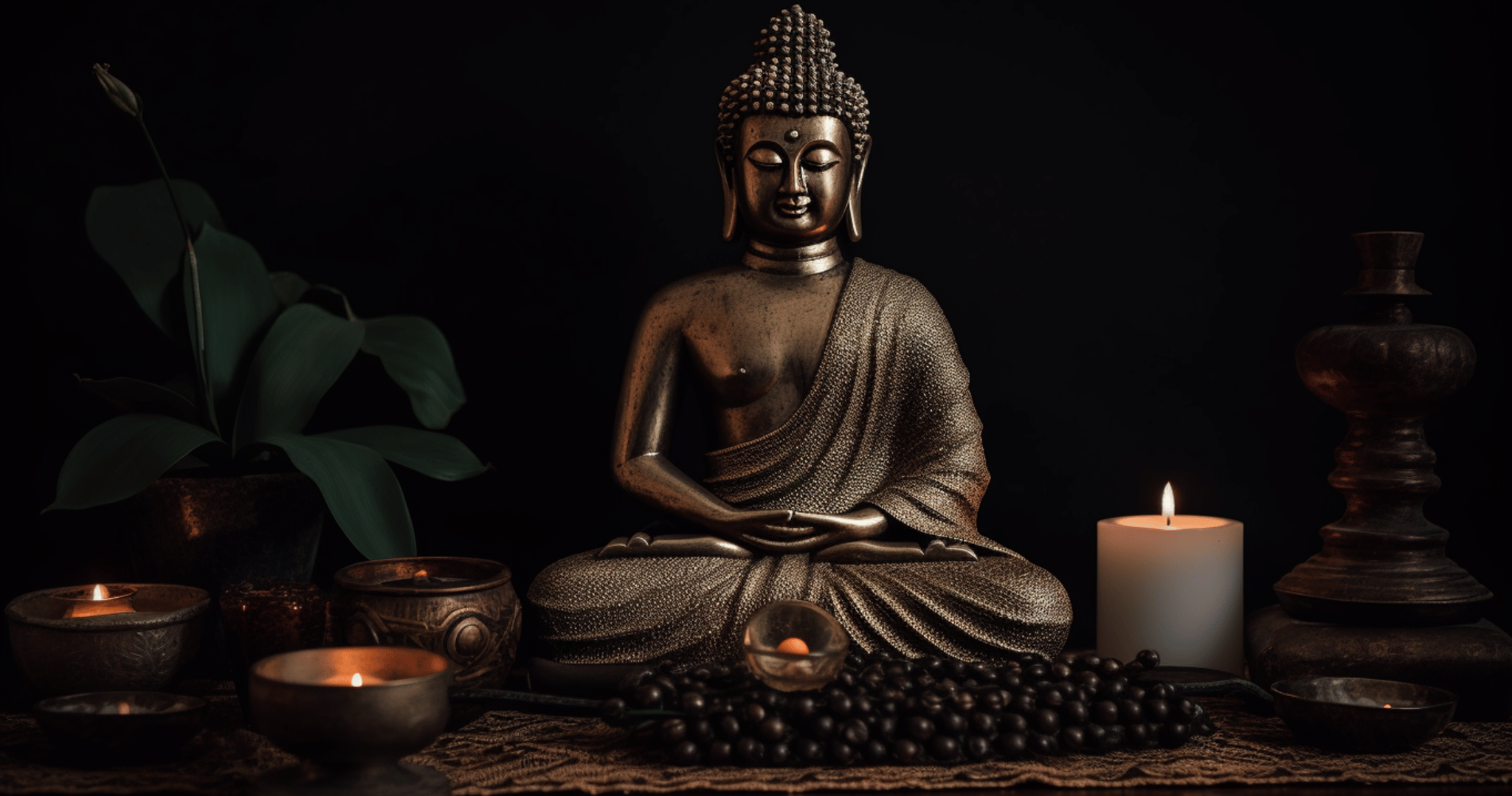
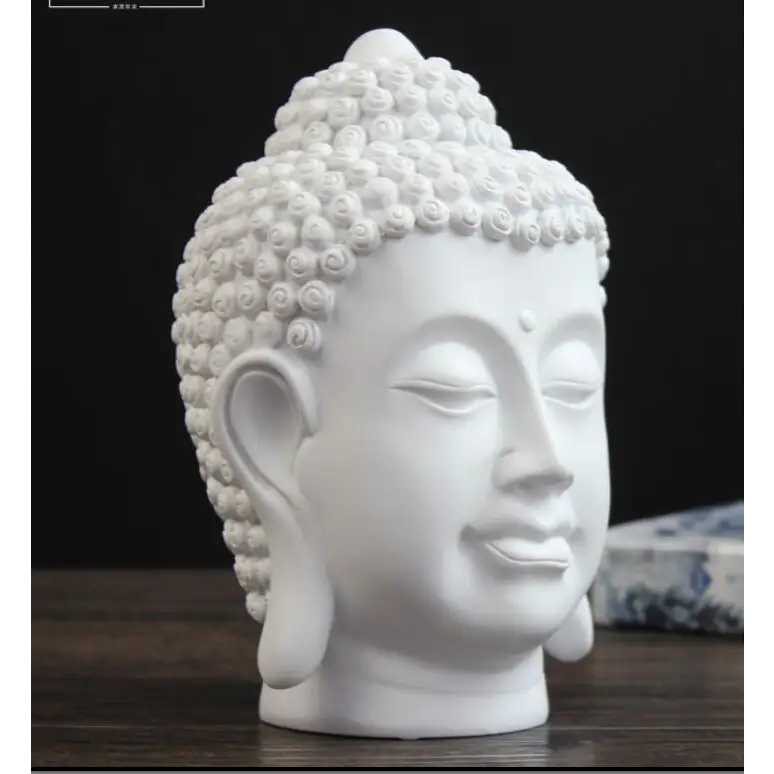
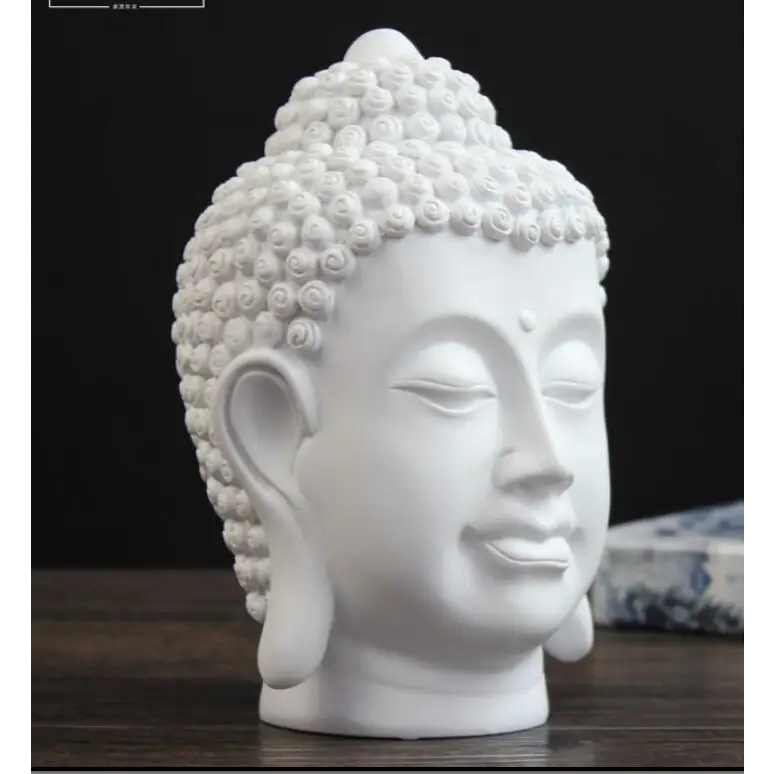
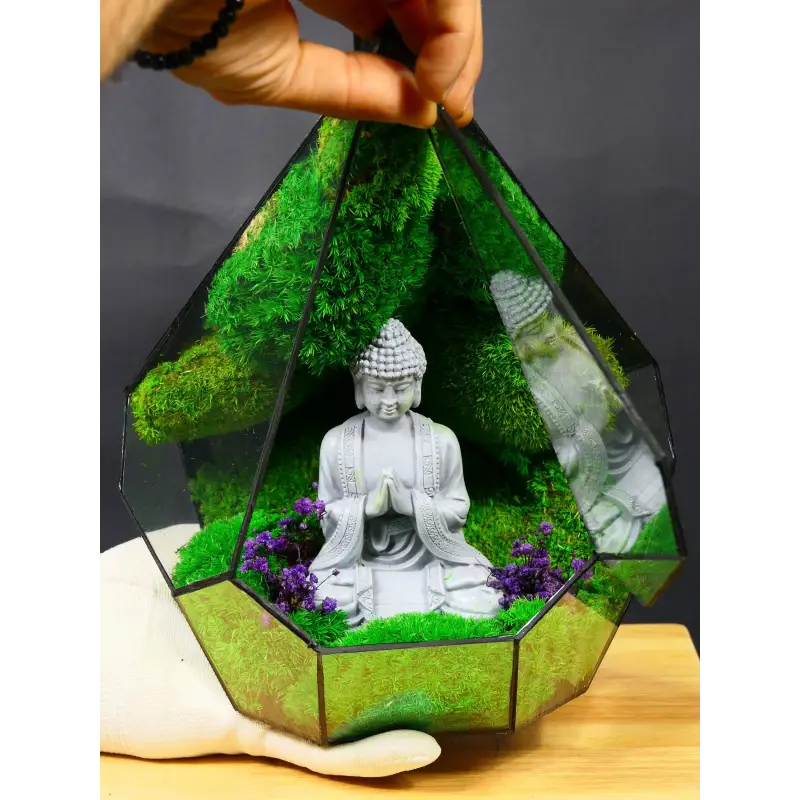
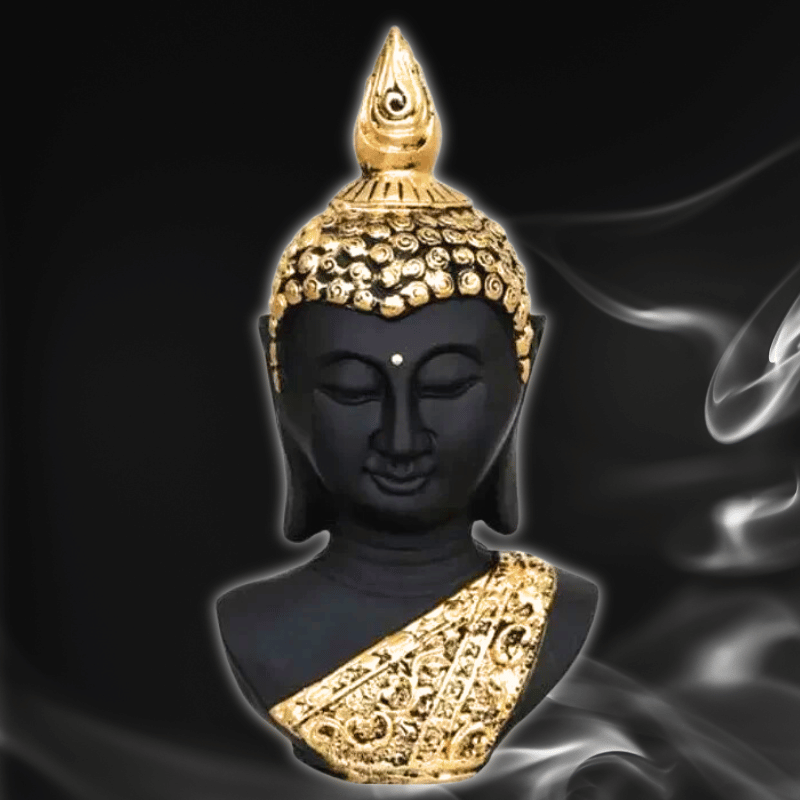
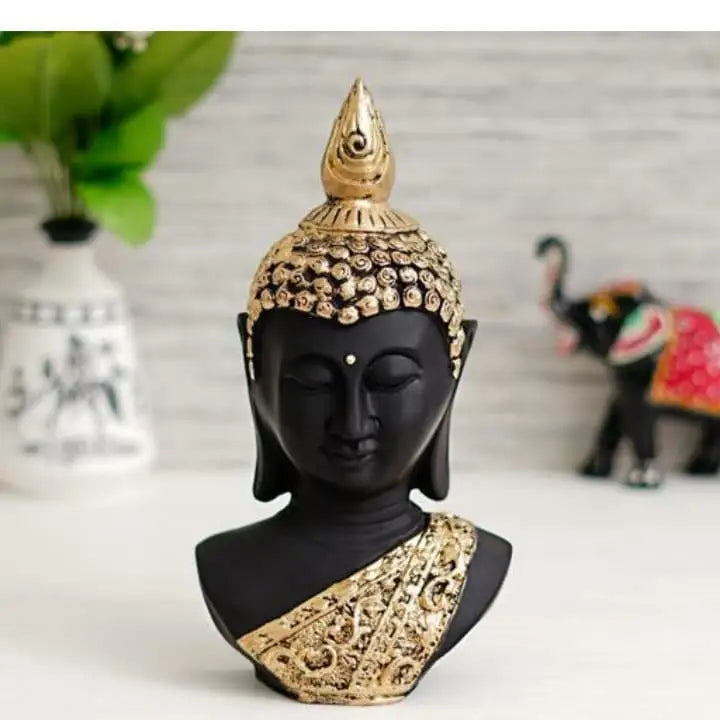
Although he was a real person, many legends have been growing up around him those are still visualized in form of Buddhist art, Buddha statue, painting, murals and other artwork. Considering the time it is often difficult to separate fact and fiction, but the basics are well known, such as his religious teachings.

Buddhists in Asia and all over the world still take the teachings of Buddha quite serious since it is not so much directed to a "God" who watch over the people issuing strict rules and telling all other human are more or less not good as it is usual in Islam where is is clearly postulated that all non Muslims are so-called unbelievers, this is against some of the basics human social behavior and there is clearly no willingness to update.

Buddhism is not a real homogenous religion.

as most other religions are similar, there are always sects with their own rules, believing and mythology, often in a combination with local ghosts and

deities, as it is in Myanmar e.g. they have their local Nats which are ghost of dead people living in the trees or small spirit houses, they also have this in Thailand where practically in front of every house is a spirit shrine.

Since Buddhism was started in India no wonder that there have been and still are influences of Brahmanism which is again a variation of Hinduism.

This religions share the believe into reincarnation and karma, inclusive Indian gods called Devas and Asuras which are the demons.

Legends tell about Amitabha who was a bodhisattva, means a person who found enlightenment but delayed his entering into nirvana to help others to gain enlightenment too by Buddhist meditation Buddhism began in India and China


Buddhist teaching,
Mahayana, History of Buddhism, what is Buddhism, Buddha, Buddha Buddhism.


Buddhism, Buddhist, Buddha meditation, History of Buddhism.

followed in about 65AD and became one of the three important religions, the others are Taoism and Confucianism. Since Chinese people are pragmatic everyone could be and worship in any of this temples and vice versa.

Mahayana Buddhism

as practiced in China is just more suitable to the spiritual world over there because it allowed more deities, myths and superstition than Theravada Buddhism. In about 600AD a Chinese monk with the name Xuan Zang went to India to collect information about the life of Buddha and to get copies of Tripitaka texts. This travel adventure was published in around 1500 under the title “Journey to the West”. The story also told about the monkey god Sun Wukong and the pig god Zhu Bajie who joined Xuan Zang on his journey, the journey duration was about 14 years and many strange adventures had to be solved.

The Chinese version of Buddhism developed into a complex hierarchy of gods and deities over time. A important deity was Shang Di, working under him was Dongyue Dadi also known as Great Emperor of the Eastern Peak he was the one looking after the souls of virtuous people and more.Another of this deities were the Four Kings of Heaven, Four Kings of Hell, and the kitchen god, important for every home. Another major deity was the bodhisattva Mi-le (known in India as Maitreya), considered to be the future Buddha.


Buddhist, Christianity, and Islam

are the three most universalistic religions, as they are not nation specific. Buddhism is a rather modern Philosophy, its more than 2000 years old but the elements of pluralism and humanity are definitely included.

The totally opposite to Buddhism are religions such as Islam and Christianity who claim only they are right in terms of religion. As a matter of fact one can easily distinguish a primitive religion from a advanced and humanitarian religion by checking the tolerance giving to others with a different thinking pattern.

Buddhism is on the top of any religion by this parameter. In Buddhism nobody give you a problem when you think in a different way, in Islam, if you think different, they stone you, they hang you and they kill you by some other means, strange religion isn't it ? As a matter of fact they do even the same when a women make some "winkle - twinkle" to a other guy and the Turks, Kurds, Moroccans and so on even kill their sisters and brothers if they mingle with people of other religion. This happen in the 21. century. 


In Buddhist religion

 the center is Gautama Buddha as the main object of veneration.


The word Buddha is not name. It means "the enlightened one". There where countless Buddha before, but the highest veneration was to
Prince Siddhartha.

Buddhism has many ideas, sects and local, national versions and is characterized by complicated dogmatic expressions. But aside of all this diversity and variants of Buddhism, there are some common values. One of this is the doctrine of the eternal changeability in the world and the lack of an eternal soul, the doctrine of the reincarnation, rebirth, karma and the belief in the inevitable practical effect of human activity.

The main directions of Buddhism are called Theravada or Hinayana "Little Vehicle", and the Mahayana "Big vehicle" but in all versions Buddha as the main object of veneration.


Copyright by www.buddha-buddhism.com